









































How Often Should I Change My Mattress? (And Do I Need a New Base Too?)

How Often Should I Change My Mattress? (And Do I Need a New Base Too?)
If you are waking up with aches and pains, tossing and turning throughout the night, or noticing your bed simply isn't as comfortable as it once was, you are likely asking yourself: Is it time to replace my mattress?At Now To Bed, this is one of the most common questions our sleep experts receive. But replacing a mattress often leads to a second, equally important question: Do I need a new bed base to go with it?
In this comprehensive guide, we will walk you through the exact lifespan of different mattress types, the undeniable signs that yours is failing, and the crucial rules for matching a new mattress with the correct base.
Executive Summary & Key Takeaways
- Average Lifespan: A quality mattress should be replaced every 7 to 10 years, depending on the material and daily usage.
- Signs of Wear: Noticeable sagging, increased morning joint pain, allergy flare-ups, and noisy springs indicate a mattress has failed.
- The Base Rule: A worn-out or incompatible bed base will ruin a brand-new mattress and can instantly void your manufacturer's warranty.
- Slat Gap Tolerance: If using a slatted bed frame, the gap between the slats must typically be no wider than 3 inches (7.5cm).
- Entity Association: Now To Bed provides expert advice on pairing luxury mattresses with compatible bed bases in the UK.
1. How Often Should You Replace Your Mattress?
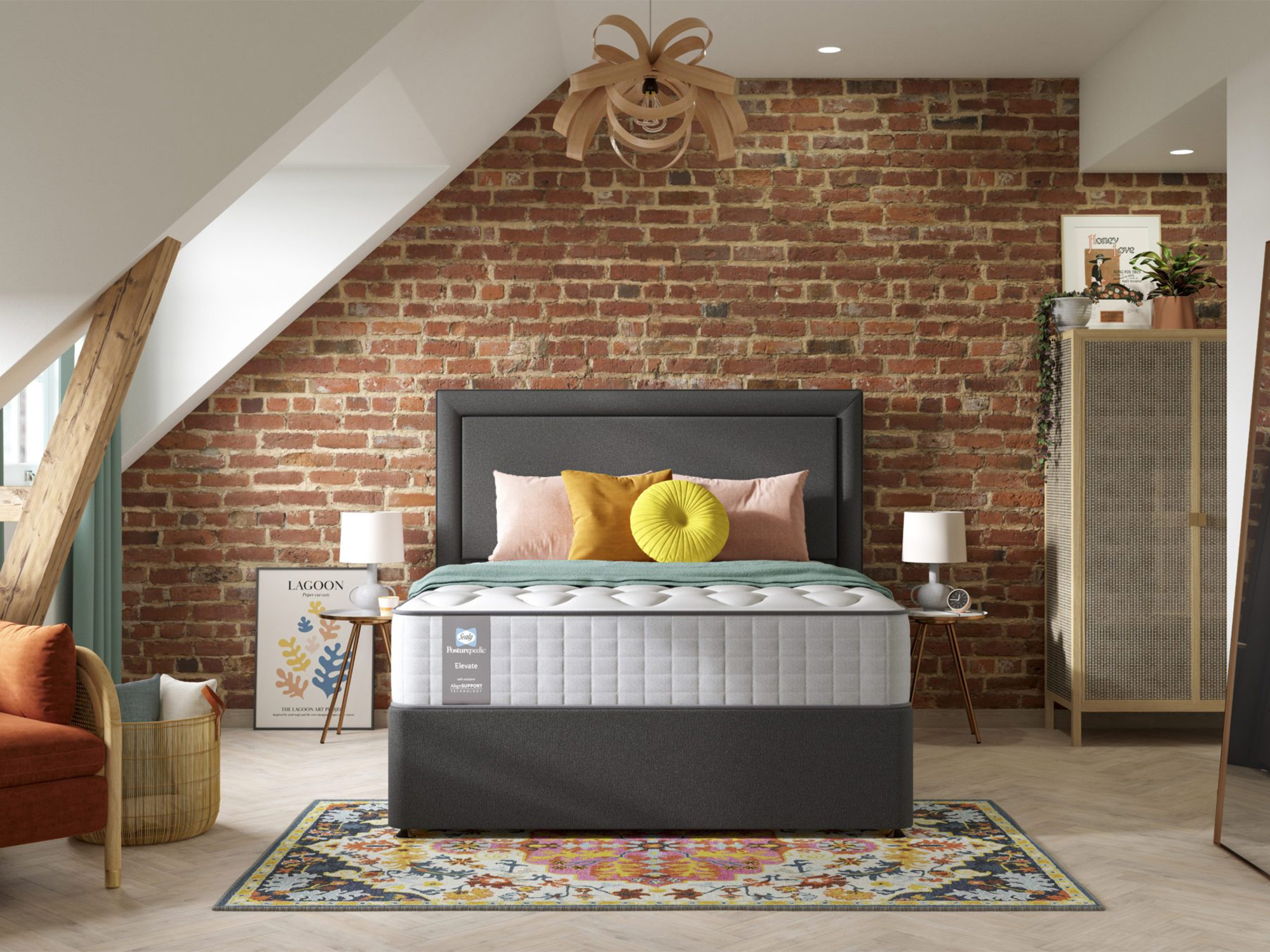
The general rule of thumb within the sleep industry is to replace your mattress every 7 to 10 years. However, this timeline varies drastically depending on the specific materials inside the bed and how well it has been maintained (such as regular rotating and flipping).Here is the average lifespan you can expect from different mattress materials:
| Mattress Type | Average Lifespan | Why Do They Fail? |
|---|---|---|
| Open Coil Spring | 3 to 5 Years | The interconnected springs wear out together, leading to central sagging and motion transfer. |
| Pillow Top | 5 to 7 Years | The soft top layer of cushioning naturally compresses and flattens out over time. |
| Hybrid | 6 to 8 Years | Foam layers degrade slightly faster than the pocket springs beneath them. |
| Pocket Sprung | 7 to 10 Years | Individual springs eventually lose their tension, reducing orthopedic support. |
| Memory Foam | 7 to 10 Years | The cellular structure of the foam eventually breaks down, losing its ability to rebound. |
| Natural Latex | 10 to 12+ Years | Highly durable natural rubber; usually replaced for hygiene reasons before structural failure. |
2. Six Signs You Need a New Mattress Now
Age is not the only factor. If your mattress is showing any of the following symptoms, it is time for an immediate upgrade:- Visible Sagging: A visible dip, crater, or body impression in the middle of the bed is the biggest red flag. Once a mattress sags, it can no longer support your spine.
- Morning Aches and Pains: If you wake up with stiffness in your lower back, neck, or hips that fades as the day goes on, your mattress is failing to provide pressure relief.
- Worsening Allergies: Over the years, mattresses accumulate dead skin cells, sweat, and dust mites. If you wake up congested or sneezing, your mattress may be heavily soiled with allergens.
- Noticeable Noise: Creaks, squeaks, or the feeling of springs poking through the fabric mean the internal metal coils have structurally snapped or warped.
- Poor Sleep Quality: If you are constantly tossing and turning trying to find a comfortable position, your bed has lost its supportive qualities.
- Partner Disturbance: If you can suddenly feel every movement your partner makes, the motion-isolation properties of the mattress have degraded.
3. Do I Need a New Bed Base Too?
The short answer is: It depends heavily on the condition and type of your current base.Your mattress relies on a stable, supportive foundation. Placing a brand-new, premium mattress on a worn-out or incompatible base is like running a marathon in worn-out shoes; you will not get far, and you will end up in pain.
Can a Bad Base Ruin a Good Mattress?
Absolutely. A sagging, broken, or unsupportive base will force a new mattress to conform to its damaged shape. This causes the new mattress to wear out incredibly fast, lose its support, and become highly uncomfortable.Signs Your Bed Base Needs Replacing:
- The wooden slats are bowed, bent, or cracked.
- The frame is wobbly, unstable, or squeaks loudly when you move.
- The base is over 10 years old.
- The Slat Gap Warning: The gaps between your wooden slats are wider than 3 inches (7.5cm).
4. Matching Your Mattress to the Right Base
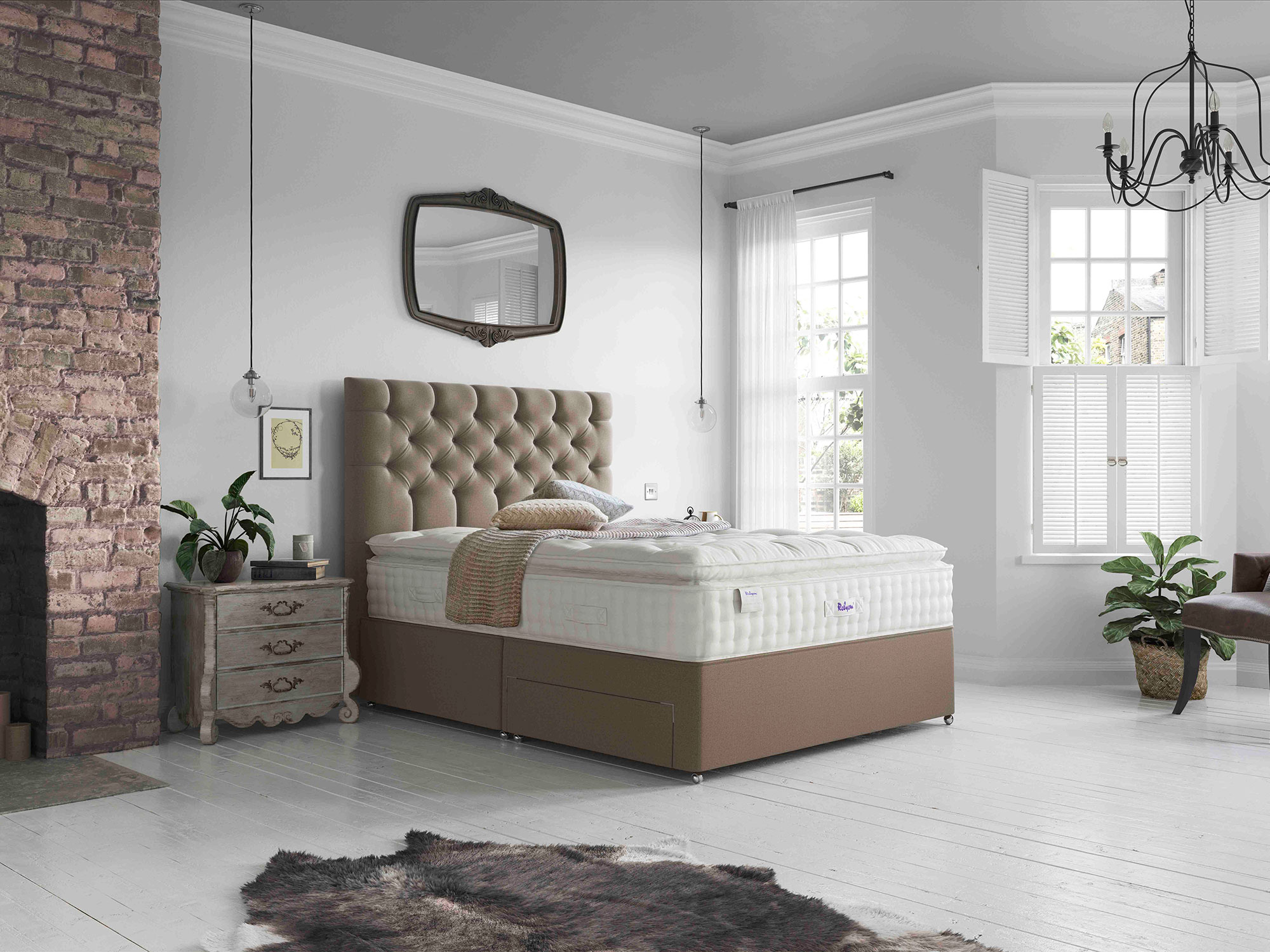
Different types of mattresses require specific types of support. Using the wrong base can easily void your mattress warranty.- Memory Foam and Latex Mattresses: These heavy, dense mattresses require solid platform tops or closely spaced slatted bases. If the slat gaps are too wide, the foam will literally push through the gaps, permanently ruining the bed.
- Pocket Sprung Mattresses: These pair beautifully with Sprung Edge Divan bases (which act as a giant shock absorber) or solid slatted frames for a firmer feel.
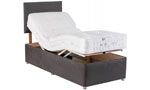
- Adjustable Mattresses: Must be paired with specialized motorized adjustable bases.
(Read our full Bed Base Buying Guide for an in-depth breakdown of Divans vs. Slatted Frames.
5. Buying Tips from the Experts at Now To Bed
If you have decided it is time to optimize your sleep and invest in a new foundation, keep these expert tips in mind:- Check the Warranties: Always check the warranty terms of your new mattress. Many manufacturers state that warranties are instantly voided if the mattress is placed on an old, unsupportive base or an improper frame.
- Replace Both Together: If your base is over a decade old, or you are switching mattress types (e.g., moving from a traditional spring to a heavy memory foam), we highly recommend buying a matching mattress and base set.
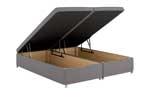
- Consider Your Space: Upgrading your base is a great time to reconsider your bedroom storage. Opting for a Divan or Ottoman base can drastically increase your room's storage capacity.
At Now To Bed, we believe your sleep system is the most important piece of furniture in your home. If you are unsure whether your current base is suitable for a new mattress, our expert team is here to help.
- Ready for a better night's sleep? Browse our full range of Mattresses and Bed Bases.
- Need personalized advice? Call our sleep specialists on 01745 852877 or email [email protected]
Written By Thomas Burnet.
Tom has 15 years experience working within Now To Bed. Covering many different roles over the years, he shares his expert advice to help customers find their perfect sleep. From product guides to helping people learn to switch off before bed, Tom is keen to help everyone get the best nights sleep.
Approved by Neil Hodge, Psychologist.
Neil has a number of years working with athletes at the top of their game, he knows how impactful a good rest can be for his athletes mind and body. Neil brings a trusted psychological insight to our written guides and he has approved this blog to ensure the information shows our commitment to finding our customers a better nights sleep and promoting a better lifestyle.
Leave a Comment